
4 Ways Custom Signs Can Boost Wayfinding and Navigation
Effective wayfinding is a cornerstone of any well-designed space. Whether in a bustling retail environment, a large office building, or a hospital, clear navigation helps visitors feel confident and reduces frustration. Custom sign services can play a crucial role in guiding people efficiently, providing both direction and reassurance. By leveraging tailored design, strategic placement, and accessibility considerations, businesses can enhance their visitors’ experience and even improve operational efficiency.
Beyond simply pointing the way, custom signs can reflect your brand identity and create a cohesive visual environment. A thoughtfully designed signage system communicates professionalism, ensures safety, and minimizes confusion. When visitors can easily locate what they need, they are more likely to have a positive perception of your space, making wayfinding a vital part of both practical and experiential design.
1. Designing Clear, Consistent Interior Sign Systems
Consistency is key when designing interior signage. A coherent system of fonts, colors, symbols, and layout helps visitors quickly recognize signs and understand their purpose. When signage follows a predictable pattern, guests don’t need to stop and figure out how to read each new sign, which reduces frustration and streamlines movement throughout a building. Consistent design also makes it easier to expand or update signage over time without confusing visitors or disrupting the existing system.
Custom sign services allow businesses to create a unified look tailored to their environment. From directional arrows to room labels, these services ensure that all elements fit together visually and functionally. Customization also lets you incorporate your brand colors, logos, and unique design elements, turning functional signage into an extension of your identity. By integrating branding into the signage, visitors experience a seamless connection between navigation and overall environmental aesthetics.
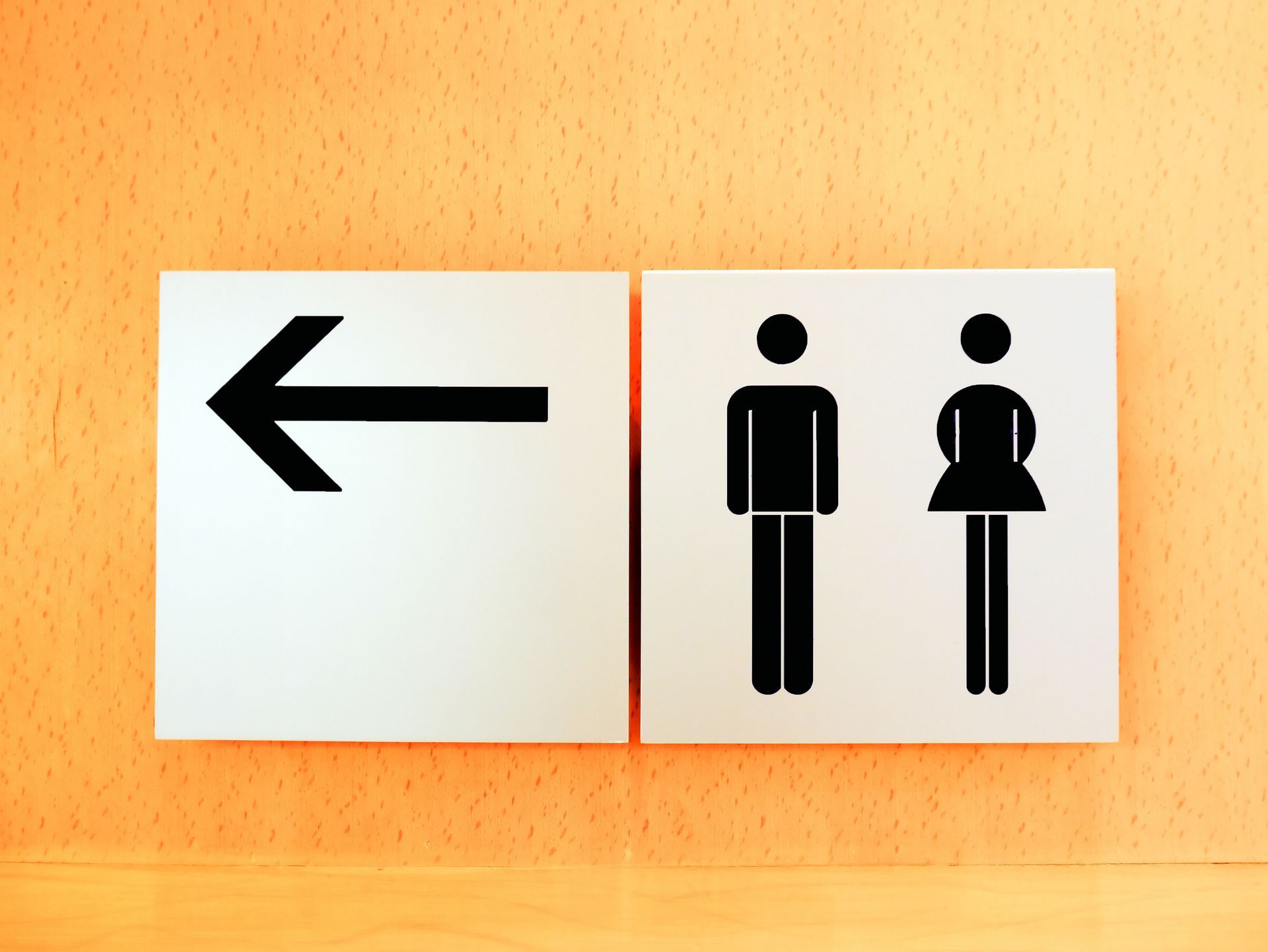
In addition to aesthetic considerations, clear messaging is essential. Signage should use concise language, legible typography, and universally recognized icons where possible. Visitors should immediately understand what each sign indicates, whether it’s a restroom, elevator, or conference room. Even subtle design choices, such as icon size or spacing, can dramatically affect how quickly information is absorbed.
A well-planned interior sign system anticipates visitor needs. Effective signage takes into account sightlines, natural walking paths, and decision points. By mapping out the journey of a typical visitor, businesses can ensure that signs are not only attractive but also strategically positioned for maximum clarity. This proactive approach can prevent bottlenecks and create a smoother, more intuitive navigation experience overall.
2. Enhancing Visibility With Strategic Sign Placement
Even the most beautifully designed signs are ineffective if they aren’t easy to see. Placement plays a critical role in guiding people effectively. Signs should be positioned at eye level, along main walkways, and at key decision points such as intersections or entrances. Strategic placement ensures that visitors notice signage in time to make navigational choices comfortably.
Lighting is another important factor in visibility. Signs should be well-lit, whether through natural daylight, ambient interior lighting, or integrated backlighting. Custom sign services can recommend materials and finishes that reduce glare and improve legibility in different lighting conditions, helping visitors read information quickly and accurately.
Consistency in placement also helps reinforce the wayfinding system. If signs are scattered inconsistently or hidden in corners, visitors may miss critical instructions. A coordinated approach ensures that every sign is easy to locate, making movement through a space intuitive and stress-free. When all signs follow the same placement logic, visitors gain confidence in predicting where the next directional cue will appear.
Visibility extends beyond individual signs to the overall flow of the environment. Strategic placement allows for a visual hierarchy that guides the eye from primary directional signs to supporting informational or regulatory signage. By considering both placement and visual impact, businesses can enhance overall navigational efficiency.
3. Integrating Digital and Static Signs for a Seamless Experience
Modern wayfinding often combines static signs with digital elements to create a dynamic, engaging experience. Digital signs can provide real-time information, interactive maps, or notifications, while static signs ensure that critical directions remain visible even if technology fails. The combination of both types enhances clarity and adaptability across different situations.
Custom sign services can help integrate digital signage with existing static systems, maintaining consistent design and messaging. For example, digital kiosks in a retail setting can display store directories, promotions, or alerts, while static wall signs provide essential navigation cues that never rely on power or connectivity. Such integration ensures that every visitor, regardless of how they interact with the environment, has a seamless wayfinding experience.
According to ZipDo, digital signs in retail stores can lower perceived wait times for customers by up to 35%. This statistic highlights the value of combining digital displays with traditional wayfinding—well-placed digital signs not only direct traffic but also enhance the visitor experience by keeping them informed and engaged during idle moments. Visitors often report feeling less stressed and more satisfied when real-time information is available alongside clear static guidance.
Integrating digital and static signs also allows for flexible updates. Businesses can quickly adjust information on digital displays, ensuring that directions, event details, or safety notices remain accurate. This adaptability reduces the need for costly reprints and keeps the wayfinding system responsive to changing conditions. Additionally, it allows businesses to experiment with interactive features that can further engage and guide visitors effectively.
4. Creating ADA-Compliant and Inclusive Wayfinding Solutions
Accessibility is a fundamental aspect of effective wayfinding. ADA-compliant signage ensures that all visitors, including those with disabilities, can navigate a space safely and independently. Features such as tactile lettering, braille, high-contrast colors, and audible cues help create an inclusive environment.
Custom sign services are invaluable when designing ADA-compliant systems. Professionals can guide businesses in selecting materials, sizes, and placements that meet regulatory requirements while maintaining brand consistency. This approach ensures that accessibility is built into the design rather than treated as an afterthought, and professional guidance also minimizes the risk of costly mistakes or compliance issues down the line.
Inclusive wayfinding also considers cultural and linguistic diversity. Multilingual signs, universally recognized symbols, and clear visual cues can accommodate a wider range of visitors. By planning for diverse needs, businesses demonstrate commitment to accessibility and enhance overall user satisfaction. These considerations can also improve efficiency by reducing misunderstandings and misdirection among visitors.
Inclusive signage benefits everyone, not just those with specific needs. Clear, ADA-compliant signs reduce confusion for all visitors, minimizing bottlenecks and improving traffic flow. Investing in inclusive wayfinding solutions strengthens your reputation as a thoughtful, professional organization while creating a more welcoming environment.
Custom signs are more than decorative elements; they're essential tools for guiding visitors, enhancing user experience, and supporting operational efficiency. By designing clear, consistent systems, strategically placing signs, integrating digital and static elements, and ensuring ADA compliance, businesses can create a wayfinding network that is intuitive, inclusive, and engaging.
Investing in custom sign services pays off in multiple ways: reducing confusion, reflecting your brand, and improving overall satisfaction. As spaces become more complex, thoughtful signage ensures that visitors can navigate confidently and efficiently. Embracing a comprehensive approach to wayfinding strengthens both functionality and perception, making your environment easier to navigate and more welcoming for everyone. A strong wayfinding system demonstrates care for your visitors and positions your business as professional, innovative, and guest-focused.
Ready to make navigation effortless in your space? At Promotional Signs, we’re here to help you enhance visibility and visitor experience with our custom sign services. Let's bring clarity and style to every corner of your business.

Share On: